

Mastering the Dumbbell Hip Thrust: Your Path to a Stronger Lower Body

What Exactly is the Dumbbell Hip Thrust?
The dumbbell hip thrust is a popular strength – training exercise that primarily targets the glutes, along with the hamstrings and lower back muscles. It’s a great alternative to the traditional barbell hip thrust, especially for those who are new to the movement or don’t have access to a barbell.
Here’s how to perform a dumbbell hip thrust:
First, find a stable bench. Lie back with your upper back on the bench, your shoulders just off the edge. Make sure your feet are flat on the floor, hip – width apart or slightly wider.
Hold a dumbbell with both hands and place it on your upper thighs, near your hips. Your palms should face down to secure the dumbbell in place.
Engage your core muscles and squeeze your glutes. Lift your hips off the floor, driving through your heels. As you lift, keep your back in a neutral position and your knees stable, in line with your toes.
Pause at the top of the movement, fully contracting your glutes. Then, slowly lower your hips back down to the starting position, controlling the movement.
The Muscle Magic Behind It
When it comes to building a strong lower body, the dumbbell hip thrust is a real game – changer. Its main targets are the gluteal muscles, especially the gluteus maximus, which is the largest muscle in the human body. A well – developed gluteus maximus not only gives you a shapely backside but also plays a crucial role in daily activities like walking, running, and climbing stairs.
In addition to the glutes, the hamstrings are also significantly engaged during this exercise. The hamstrings, located at the back of the thighs, are important for knee flexion and hip extension. Strengthening them can improve your overall lower – body strength and stability, reducing the risk of injury, especially in the knees and lower back.
Moreover, the lower back muscles get a good workout too. As you lift your hips, these muscles help maintain the proper alignment of your spine, ensuring that the movement is safe and effective. This helps to develop core strength, which is essential for maintaining good posture and preventing back pain.
Step – by – Step Guide
Now, let’s break down the dumbbell hip thrust into simple steps for you to follow easily.
Starting Position
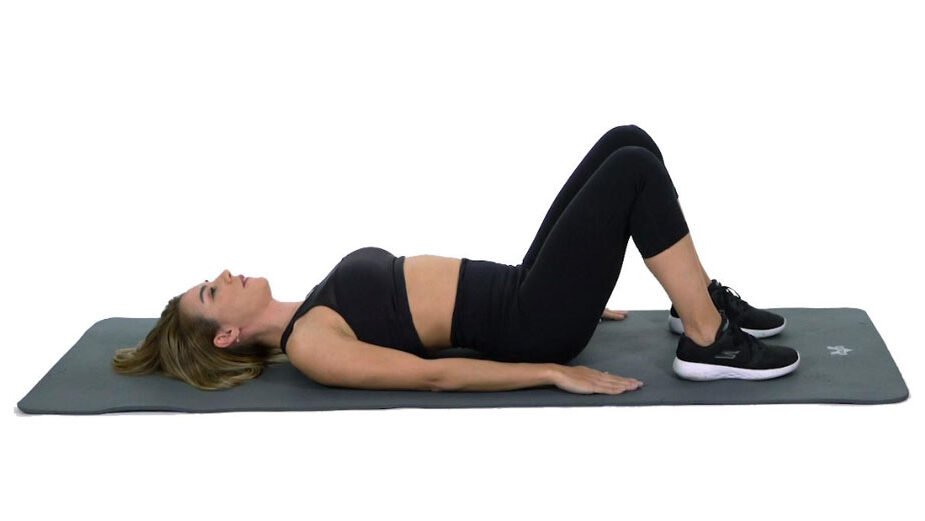
Sit on the floor in front of a stable bench. Lean back so that your upper back is resting on the bench, with your shoulders just past the edge. Your feet should be firmly planted on the floor, about hip – width apart or slightly wider. This wide stance helps to engage your glutes more effectively. Hold a dumbbell with both hands and place it on your upper thighs, close to your hips. Keep your palms facing down to keep the dumbbell in place.
The Lift
Take a deep breath and engage your core muscles. This helps to protect your spine and provides stability throughout the movement. Squeeze your glutes as hard as you can and start to lift your hips off the floor. Drive through your heels, not your toes, to generate power. As you lift, keep your back in a neutral position. Avoid arching your back too much, as this can put unnecessary stress on your lower back. Your knees should stay stable and in line with your toes, not collapsing inward or flaring out.
The Pause
At the top of the movement, when your hips are fully extended, pause for a moment. This is the point where you should feel your glutes maximally contracted. Hold this position for a second or two, really focusing on squeezing your glutes. This pause helps to increase the time under tension, which is beneficial for muscle growth.
The Lowering Phase
Slowly lower your hips back down towards the floor. Control the movement and don’t let your hips drop suddenly. Keep your glutes engaged even as you lower. Lower until your hips are almost touching the floor, but don’t actually touch it. Then, immediately start the next repetition by lifting your hips back up again.
Common Mistakes to Avoid
Even though the dumbbell hip thrust is a great exercise, there are some common mistakes that people often make. Avoiding these can ensure you get the most out of your workout and stay injury – free.
Arching the Back Too Much
One common error is arching the lower back excessively during the lift. This can happen when you’re trying to lift too much weight or not engaging your core properly. When your back is overly arched, it takes the focus away from your glutes and puts unnecessary stress on your lower back. To avoid this, make sure to engage your core muscles before starting the lift. Keep your back in a neutral position throughout the movement, imagining that there’s a straight line from the back of your head to your tailbone.
Knee Collapse
Another mistake is allowing your knees to collapse inward as you lift your hips. This not only reduces the effectiveness of the exercise for your glutes but also increases the risk of knee injury. To prevent knee collapse, focus on keeping your knees in line with your toes. You can even try thinking about pushing your knees out slightly as you lift, which will help engage your glutes more effectively.
Using the Wrong Lifting Force
Some people make the mistake of using their lower back or quadriceps to lift the weight instead of their glutes. This usually happens when the form isn’t correct. To ensure you’re using your glutes, really focus on squeezing them hard as you start the lift. Feel the power coming from your backside, and keep the movement controlled. If you feel the burn more in your lower back or thighs than in your glutes, it’s a sign that you need to adjust your form.
Variations to Spice Up Your Routine
Doing the same exercise repeatedly can get boring. Luckily, there are several variations of the dumbbell hip thrust that can add some excitement to your routine.
Single – Leg Dumbbell Hip Thrust
This variation is a great way to challenge your balance and target your glutes even more intensively. Start by getting into the regular dumbbell hip thrust position. Then, lift one leg off the ground, keeping it straight. Hold a dumbbell on the thigh of the leg that’s on the floor. As you perform the hip thrust, focus on driving through the heel of the planted foot. This forces your glutes to work harder to maintain balance and lift your body, providing an extra – tough workout.
Paused Dumbbell Hip Thrust
For the paused dumbbell hip thrust, after you lift your hips to the top position, hold the position for a few seconds, maybe 3 – 5 seconds. This extended contraction of the glutes increases the time under tension, which can lead to greater muscle growth. Make sure to keep your core engaged and your back in a neutral position during the pause. Then, slowly lower your hips back down and repeat.
Eccentric Dumbbell Hip Thrust
In an eccentric dumbbell hip thrust, the focus is on the lowering phase of the movement. Lift your hips as you normally would in a regular dumbbell hip thrust. But when you lower your hips, do it very slowly, taking about 3 – 5 seconds to lower all the way down. This increased time on the eccentric (lowering) part of the movement can cause more muscle fiber damage, which in turn stimulates muscle repair and growth. Just be careful not to let your form break down during the slow lowering.
Incorporating Dumbbell Hip Thrusts into Your Workout Plan
Now that you’re familiar with the exercise, how can you include dumbbell hip thrusts in your regular fitness routine?
Frequency: For beginners, 2 – 3 times a week is a good starting point. This gives your muscles enough time to recover between sessions. As you get stronger and more experienced, you can increase the frequency to 3 – 4 times a week. But remember, overtraining can lead to injury and muscle fatigue, so
listen to your body.
Sets and Repetitions: A common recommendation is to start with 2 – 3 sets of 10 – 15 repetitions. If you’re a beginner, focus on perfecting your form rather than increasing the weight. As you progress, you can gradually increase the number of sets to 3 – 4 and adjust the repetitions based on your fitness goals. For muscle growth, 8 – 12 repetitions per set are often effective. If your goal is more about endurance, you can aim for 15 – 20 repetitions per set.
Intensity: When it comes to intensity, start with a weight that is challenging but allows you to maintain proper form throughout the set. You should feel a good burn in your glutes by the end of the set. As you get stronger, you can increase the weight of the dumbbell. However, don’t sacrifice form for the sake of adding more weight. It’s better to do fewer repetitions with proper form than to do more with incorrect form. You can also adjust the intensity by incorporating the variations mentioned earlier, such as single – leg or paused dumbbell hip thrusts. These variations can make the exercise more challenging and target your muscles in different ways.
Safety First
Before diving into the dumbbell hip thrust, safety should always be your top priority.
Warm – up Thoroughly: Just like any other exercise, a proper warm – up is crucial. Spend 5 – 10 minutes doing light cardio, such as jogging in place or jumping jacks. This gets your blood flowing and warms up your muscles, making them more pliable and less prone to injury. You can also do some dynamic stretches, like leg swings, to specifically target the muscles you’ll be using in the hip thrust.
Choose the Right Weight: Selecting an appropriate dumbbell weight is essential. For beginners, it’s better to start light. A weight that allows you to perform the recommended number of repetitions with proper form is ideal. If you choose a weight that’s too heavy, you’re more likely to compromise your form, which can lead to injury. You can gradually increase the weight as you get stronger and more comfortable with the movement.
Use a Stable Bench: Ensure that the bench you use for the dumbbell hip thrust is stable and sturdy. A wobbly bench can cause you to lose your balance during the exercise, increasing the risk of falling or getting injured. Check that the bench is placed on a flat surface and won’t move around while you’re performing the exercise.
FAQs
How much weight should I start with for dumbbell hip thrusts?
If you’re new to dumbbell hip thrusts, it’s advisable to start with a relatively light weight, perhaps a 5 – 10 – pound dumbbell for each hand. This allows you to focus on perfecting your form without the risk of injury. As you become more comfortable with the movement and your strength improves, you can gradually increase the weight in small increments, such as adding 2 – 5 pounds per hand. Remember, proper form is crucial, and using too much weight too soon can lead to bad form and potential injuries.
Can I do dumbbell hip thrusts if I have lower back problems?
If you have lower back problems, it’s essential to approach the dumbbell hip thrust with caution. This exercise does engage the lower back muscles, and incorrect execution can exacerbate your condition. It’s highly recommended that you consult with a doctor or a professional fitness trainer before attempting this exercise. They can assess your specific situation, provide personalized advice, and may even suggest alternative exercises that can still help you strengthen your glutes and lower body without putting too much stress on your lower back.
How many times a week should I do dumbbell hip thrusts?
A general guideline is to do dumbbell hip thrusts 2 – 3 times a week. This frequency allows your muscles enough time to recover and grow between sessions. However, the ideal number can vary depending on your fitness level, goals, and overall exercise routine. If you’re a beginner, starting with 2 times a week gives your body time to adapt. More experienced individuals may be able to handle 3 sessions a week. But if you combine this exercise with other lower – body workouts or if you’re experiencing muscle soreness that lingers, you might need to reduce the frequency to ensure proper recovery.