

The Power of the Novella: An Analysis of Stephen King’s If It Bleeds

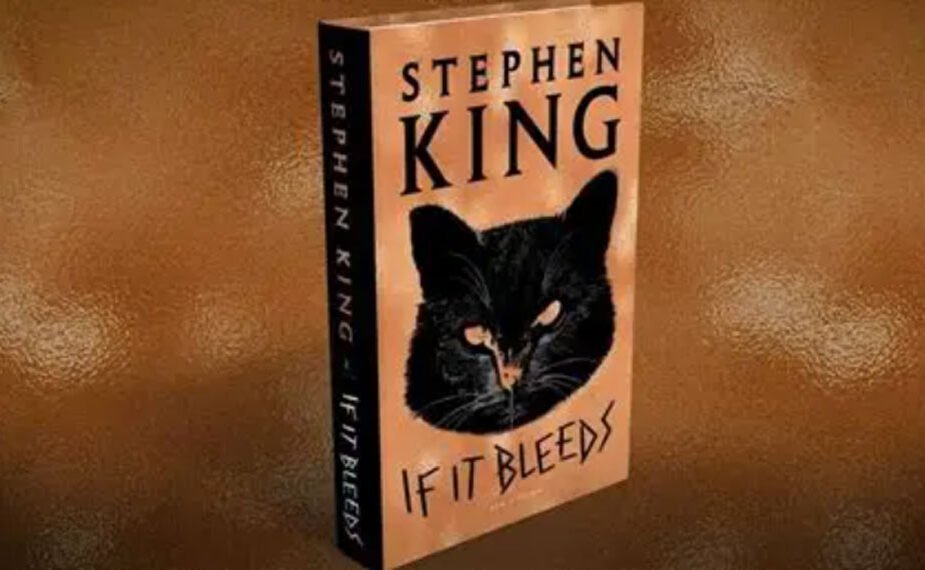
The Structure of If It Bleeds: Four Tales of the Unsettling
Stephen King’s 2020 collection, If It Bleeds, is a masterful showcase of the author’s enduring talent for the long short story, or novella. The book comprises four distinct narratives, each exploring the unsettling intersection of the mundane and the supernatural, a hallmark of King’s best work.
The collection serves as a reminder that King is not just a novelist of epic scope, but a skilled craftsman of shorter fiction, where his ideas can be distilled into potent, focused narratives. The stories are linked by a shared atmosphere of dread and a deep psychological probing of their characters.
King’s Return to the Novella Format
King has a long and celebrated history with the novella format, having produced classics like The Body (Stand by Me) and Rita Hayworth and Shawshank Redemption. If It Bleeds marks a welcome return to the novella format, allowing him the space to develop complex characters and intricate plots that a short story would not permit.
This format provides the perfect canvas for King to blend his signature horror with elements of crime, mystery, and profound human drama.
The Unifying Theme: Mortality and the Supernatural
While the four stories are structurally independent, a unifying theme runs through the collection: the confrontation with mortality and the intrusion of the supernatural into everyday life. Each tale forces its protagonist to grapple with the limits of human existence and the chilling possibility of forces beyond comprehension.
From the afterlife accessed through technology to a creature feeding on human grief, the collection consistently explores the thin veil between our world and the unknown.
The Anchor Story: Holly Gibney and the Title Novella
The centerpiece of the collection, and the story that gives the book its title, is the novella If It Bleeds. This story is significant for bringing back one of King’s most beloved contemporary characters, the private investigator Holly Gibney.
The title itself is a nod to the old journalistic adage, “If it bleeds, it leads,” which King subverts by introducing a literal monster that feeds on the sensationalism of human tragedy.
Holly Gibney’s Evolution: From Outsider to Investigator
Holly Gibney, first introduced in the Mr. Mercedes trilogy, has become a central figure in King’s recent work. In If It Bleeds, we see her continued evolution from a socially awkward, anxious outsider to a capable, albeit still fragile, investigator.
Her unique blend of intuition and obsessive attention to detail makes her the perfect character to confront the story’s central mystery: a seemingly human reporter who appears at the scene of every disaster.
The “Outsider” Creature: A New Form of Evil
The novella introduces a creature known as the “Outsider,” a shapeshifting entity that feeds on the pain and grief surrounding violent events. This monster is a chilling metaphor for the media’s morbid fascination with tragedy.
The “Outsider” creature is a brilliant addition to King’s pantheon of monsters, representing a modern, insidious form of evil that thrives on the collective human response to suffering.
Exploring Mortality: The Life of Chuck and Mr. Harrigan’s Phone
Two other novellas in the collection, The Life of Chuck and Mr. Harrigan’s Phone, delve deeply into the themes of death, memory, and the afterlife, showcasing King’s philosophical side. These stories are less about jump scares and more about existential dread.
They reflect a mature King grappling with the inevitability of death and the ways in which human connection can transcend the physical world.
Mr. Harrigan’s Phone: Technology and the Afterlife
Mr. Harrigan’s Phone tells the story of a young boy who befriends an elderly billionaire. After the man dies, the boy places the man’s smartphone in his coffin. The story explores the terrifying possibility of technology and the afterlife intersecting.
When the boy texts the deceased man’s number, he receives chilling responses, suggesting that even in death, the digital connection remains, with potentially horrific consequences.
The Life of Chuck: A Metaphysical Journey
The Life of Chuck is perhaps the most structurally ambitious piece in the collection. Told in reverse, it is a poignant, almost surreal narrative that explores the entire life of a man named Chuck, from his death to his childhood.
The story is a powerful meditation on the interconnectedness of all things and the profound impact of an ordinary life, revealing the cosmic significance of a single human existence.
The Writer’s Struggle: Creativity and Darkness in Rat
The final novella, Rat, returns to a classic King theme: the dark side of the creative process. It tells the story of a writer who makes a Faustian bargain with a rat to overcome a severe case of writer’s block.
This story is a chilling exploration of the sacrifices artists are willing to make for their work and the psychological toll of creative ambition.
Rat: A Faustian Bargain for Inspiration
The writer, Drew Larson, retreats to a remote cabin to finally write his novel, only to be plagued by self-doubt and a fever. The appearance of the rat and the subsequent bargain—a successful novel in exchange for a human life—is a modern take on the **Faustian bargain**.
It questions the source of creative genius and whether true art can be born from a morally compromised act.
The Psychological Horror of the Creative Process
More than a simple monster story, Rat is a deep dive into the **psychological horror of the creative process**. It captures the desperation, the isolation, and the near-madness that can accompany the struggle to create something meaningful.
The rat serves as a physical manifestation of the writer’s inner demons and the dark compromises made in the pursuit of artistic success.
If It Bleeds in the King Canon: Style and Legacy
If It Bleeds is a strong testament to Stephen King’s continued relevance and his mastery of the horror and suspense genres. The collection is a vital addition to the King canon, demonstrating his ability to innovate while staying true to his core strengths.
It successfully bridges his earlier works with his more recent, crime-focused narratives, appealing to both long-time fans and new readers.
Vintage King: Engaging Narrative and Voice
The writing throughout the collection is Vintage King: immediately engaging, conversational, and deeply rooted in the everyday lives of ordinary people. His narrative voice is one of his greatest assets, drawing the reader in with a sense of intimacy and familiarity.
He excels at building tension through meticulous detail and relatable character flaws, making the eventual descent into horror all the more effective.
The Enduring Appeal of Short-Form Horror
The success of If It Bleeds underscores the enduring appeal of short-form horror. Novellas and short stories allow King to explore high-concept ideas without the need for the extensive world-building of his longer novels.
This focused approach results in narratives that are sharp, impactful, and often leave a more lingering sense of unease than his more sprawling epics. The collection is a powerful reminder of the versatility of the master storyteller.