

Beyond the Tracksuit: Analyzing Ben Stiller’s Iconic Role as Chas Tenenbaum

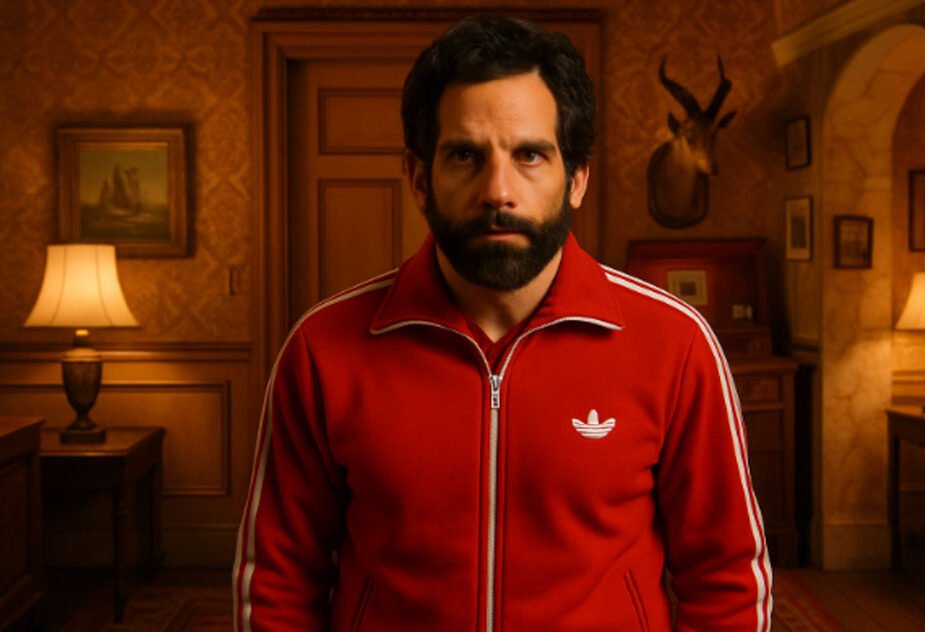
Have you ever seen a movie character whose entire life story seems to be contained in a single outfit? For many fans of Wes Anderson, that character is Chas Tenenbaum, and that outfit is his iconic red Adidas tracksuit.
It’s impossible to discuss The Royal Tenenbaums without talking about Ben Stiller’s deeply anxious, yet strangely endearing, portrayal of Chas Tenenbaum. This role wasn’t just a performance; it was a masterclass in controlled chaos, proving Stiller’s range far beyond his comedic roots.
The Prodigy’s Burden: Chas’s Childhood and Financial Acumen
Chas Tenenbaum was, by all accounts, a financial prodigy. He was a whiz kid who, before he even hit his teens, was already a successful entrepreneur in international finance.
But this early success came with a heavy price. His childhood was marked by intense focus and a deeply strained relationship with his eccentric, often absent father, Royal.
The film quickly establishes Chas’s brilliance, but it also highlights the emotional damage left by his father’s manipulations, most notably the theft of Chas’s bonds. This betrayal fueled Chas’s deep-seated resentment and his later, desperate need for absolute control.
The Iconography of Anxiety: The Significance of the Red Tracksuit
The red tracksuit is much more than a costume choice; it’s a visual metaphor for Chas’s crippling anxiety and his desperate need for preparedness.
Following the tragic death of his wife in a plane crash, Chas becomes hyper-vigilant, obsessively focused on the safety of his two young sons, Ari and Uzi.
The tracksuit, which he also forces his sons to wear, is a uniform of readiness—ready for a fire drill, ready for an emergency, ready for the next disaster. It functions as a protective shell, a way for Chas to impose order on a chaotic world that has already taken so much from him.
A Performance of Controlled Chaos: Ben Stiller’s Nuanced Portrayal
Ben Stiller’s work as Chas is a quiet triumph of acting. Unlike his more familiar, manic comedic roles, Stiller plays Chas with a rigid, almost robotic precision.
His movements are clipped, his voice is flat, and his expressions are often hidden behind a perpetual scowl. He is a man who has walled himself off from feeling.
Yet, Stiller masterfully allows us brief glimpses of the vulnerable boy who still craves his father’s approval. The moments where his composure cracks—a sudden, sharp outburst of anger or a fleeting look of sadness—are incredibly powerful precisely because of the emotional distance he maintains throughout the rest of the film.
The Core Conflict: Chas, Royal, and the Quest for Reconciliation
The central tension in Chas’s story is his inability to forgive his father, Royal. Chas is the most resistant to Royal’s clumsy attempts at reconciliation, his anger a mix of years of neglect and the final, unforgivable betrayal of the stolen money.
Their interactions are constantly fraught, often leading to shouting matches or even physical scuffles. However, it is through the shared experience of Royal’s supposed illness and the slow, awkward process of living together again that Chas finally begins to lower his guard. He starts to realize that his father, for all his profound flaws, is still his father.
Legacy and Influence: Chas Tenenbaum in Wes Anderson’s Canon
Chas Tenenbaum remains one of the most recognizable and beloved characters in Wes Anderson’s entire filmography. He perfectly embodies the director’s recurring themes of dysfunctional families, arrested development, and the universal search for a sense of home.
The character’s distinctive look and tragic backstory have made him an enduring cultural icon, often referenced and parodied. The role also marked a significant turning point for Ben Stiller, solidifying his range as a dramatic actor capable of conveying deep emotional pain through subtle gestures and dialogue. His legacy is a powerful testament to a perfectly cast actor in a meticulously crafted cinematic world.
Frequently Asked Questions (FAQ)
Why does Chas Tenenbaum always wear a tracksuit?
Chas wears the red tracksuit as a physical manifestation of his severe anxiety and trauma. Following the death of his wife in a plane crash, the tracksuit represents his need for constant readiness and control, a uniform for emergency preparedness that he also imposes on his sons.
Was Ben Stiller Wes Anderson’s first choice for Chas?
While Stiller was an excellent fit, Anderson considered other actors. However, Stiller’s own background—being the son of famous comedians—added a fascinating layer of meta-commentary to the role of a child prodigy living in the shadow of his parents’ fame, making him the ideal choice.
What happened to Chas Tenenbaum’s wife?
Chas Tenenbaum’s wife, Rachael, died tragically in a plane crash. This event is the central catalyst for Chas’s emotional breakdown, his move back to the family home, and his subsequent obsessive focus on safety and emergency preparedness for his children.