

Unlocking the Secrets of Koriandri: A Guide to the Versatile Herb

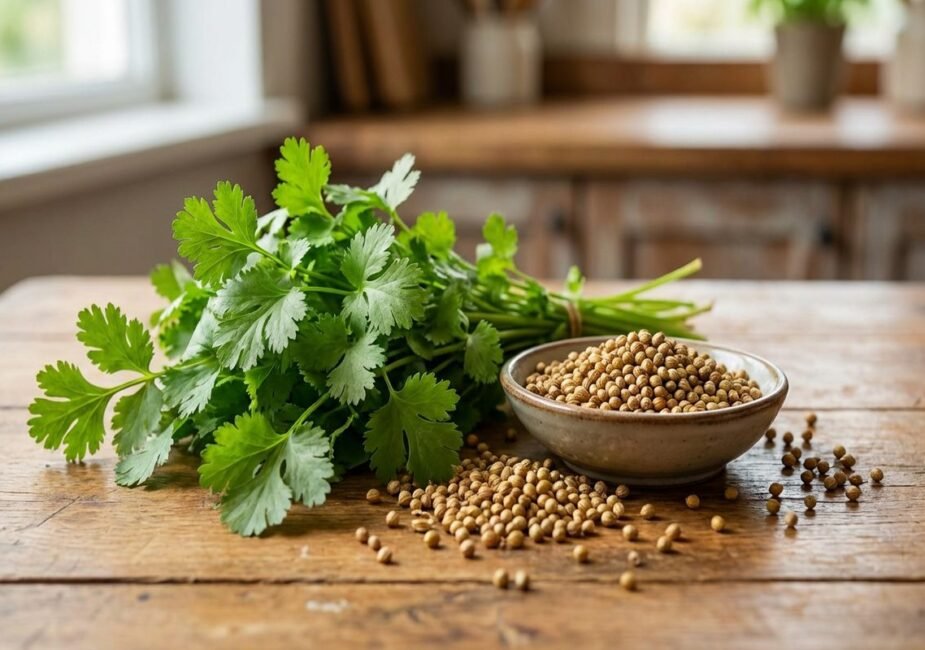
Koriandri, a herb celebrated in kitchens and gardens globally, offers a unique and vibrant flavor that can elevate a simple dish into a culinary masterpiece. Its aromatic presence is unmistakable, whether used as a fresh garnish or a dried spice.
This versatile plant is more than just a flavorful ingredient; it embodies a rich history, a wealth of health benefits, and a cultural significance that spans across continents. To understand koriandri is to appreciate a herb that has been cherished for millennia.
What is Koriandri?
Known scientifically as Coriandrum sativum, koriandri is a popular herb from the Apiaceae family, a group of plants that also includes parsley, carrots, and celery. It is celebrated for its versatility, as the entire plant—leaves, stems, and seeds—is edible and used in various forms.
A Herb of Many Names
Globally, koriandri is known by various names, which can sometimes be a source of confusion. In North America, the fresh leaves and stems of the plant are commonly called “cilantro,” a name borrowed from Spanish. The dried seeds, on the other hand, are referred to as “coriander.”
In many other regions, including the United Kingdom, both the fresh leaves and the dried seeds are simply known as “coriander.” This dual identity is a testament to its widespread use and adaptation into different culinary traditions.
The Science Behind the Flavor
The flavor of koriandri is complex and often a subject of debate. The leaves have a bright, citrusy, and slightly peppery taste that many people adore. However, for a subset of the population, the leaves have an unpleasant, soapy taste.
Scientific research has linked this aversion to a specific genetic variation. A variation in the olfactory receptor gene, OR6A2, makes some individuals more sensitive to the aldehyde chemicals present in the leaves, which are also found in soap. This genetic trait explains why the love for koriandri is not universal.
A Journey Through Time: The History of Koriandri
The history of koriandri is as rich and layered as its distinctive flavor. Its use dates back thousands of years, with evidence of its cultivation found in ancient civilizations across the Mediterranean, the Middle East, and Asia.
Ancient Roots
Archaeological findings suggest that koriandri was used by ancient Egyptians for both culinary and medicinal purposes. Seeds have been discovered in the tombs of pharaohs, including that of Tutankhamen, indicating its cultural importance.
The ancient Greeks and Romans also valued this herb. They used it to flavor their food and wine and recognized its potential health benefits. It was a common ingredient in their kitchens and apothecaries.
Global Spread
Via ancient trade routes, koriandri journeyed from its native regions to the far corners of the globe. It became a staple in Indian and Asian cuisines, where it was integrated into spice blends and traditional dishes.
Over the centuries, it was introduced to Europe and the Americas, where it adapted to new climates and culinary styles. Today, from Mexican salsas to Thai curries, koriandri is a global herb that connects diverse food cultures.
The Health Benefits of Koriandri
Beyond its culinary allure, koriandri is prized for its impressive nutritional profile and health-promoting properties. It has been used in traditional medicine for centuries to treat a variety of ailments.
A Nutritional Powerhouse
Koriandri is packed with essential vitamins and minerals. It is a good source of vitamins A, C, and K, which are important for immune function, skin health, and blood clotting. The herb is also rich in antioxidants, which help protect the body from damage caused by free radicals.
Traditional Medicinal Uses
In traditional medicine systems like Ayurveda, koriandri is known for its digestive benefits. It is believed to stimulate appetite and relieve indigestion and bloating. Its anti-inflammatory properties may also help reduce symptoms of inflammatory conditions.
Modern research is beginning to validate some of these traditional uses. Studies suggest that koriandri may help lower blood sugar and cholesterol levels, supporting overall metabolic health. Its natural antimicrobial compounds may also help fight certain infections.
Koriandri in the Kitchen: A Culinary Adventure
In the culinary realm, koriandri is a star ingredient, adding a burst of freshness and complexity to a wide array of dishes. Its versatility allows it to be used in countless creative ways.
Leaves vs. Seeds: A Tale of Two Flavors
The fresh leaves (cilantro) and the dried seeds (coriander) of the koriandri plant offer distinctly different flavors. The leaves have a vibrant, citrus-like taste that is best added at the end of cooking or used raw to preserve their delicate flavor.
The seeds, on the other hand, have a warm, nutty, and slightly spicy flavor that intensifies when toasted. They are often ground and used in spice blends, marinades, and baked goods, providing a deep, earthy base.
Global Cuisine and Flavor Pairings
Koriandri is a cornerstone of many global cuisines. In Latin American cooking, fresh cilantro is essential in salsas, guacamole, and as a garnish for tacos. In Asian cuisine, it brightens up curries, soups, and noodle dishes.
It pairs beautifully with a variety of ingredients, including tomatoes, avocados, lime, and chili. Whether used to complement rich meats or to add freshness to a simple salad, koriandri enhances the flavors of any dish it touches.
Grow Your Own Koriandri: A Home Gardener’s Guide
Cultivating koriandri at home is a simple and rewarding way to ensure a fresh supply of this flavorful herb. It can be grown in a garden bed or in pots, making it accessible even for those with limited space.
Planting and Care
Koriandri thrives in a sunny spot with well-drained soil. It prefers cooler weather and can be planted in the spring or fall. The seeds should be sown about half an inch deep and watered regularly to keep the soil moist but not waterlogged.
Harvesting and Storing
The leaves can be harvested once the plant is about six inches tall. Snip the outer leaves first, allowing the inner leaves to continue to grow. For a continuous supply, sow new seeds every few weeks.
To store fresh koriandri, place the stems in a jar of water like a bouquet of flowers, or wrap the leaves in a damp paper towel and store them in the refrigerator. The seeds can be harvested once they turn brown and stored in an airtight container.
The Enduring Allure of Koriandri
From its ancient origins to its modern-day culinary stardom, koriandri has remained a cherished herb across cultures. Its unique flavor, health benefits, and ease of cultivation make it a valuable addition to any kitchen or garden.
Whether you call it koriandri, cilantro, or coriander, this versatile herb continues to captivate our senses and enrich our culinary experiences. Its enduring appeal lies in its ability to connect us to a world of flavor and a long and storied past.