

The Majestic Red Grouper: A Deep Dive into the Gulf’s Prized Catch

The Biology of the Red Grouper (Epinephelus morio)
The Red Grouper, scientifically known as Epinephelus morio, is one of the most recognizable and economically important fish species in the southeastern United States, particularly throughout the Gulf of Mexico. Its presence is a vital indicator of the health of the region’s complex reef ecosystems.
This species is a classic example of a bottom-dwelling predator, playing a crucial role in the marine food web. Its life cycle and behavior are finely tuned to the unique challenges and opportunities presented by its deep-water environment.
Physical Characteristics and Identification
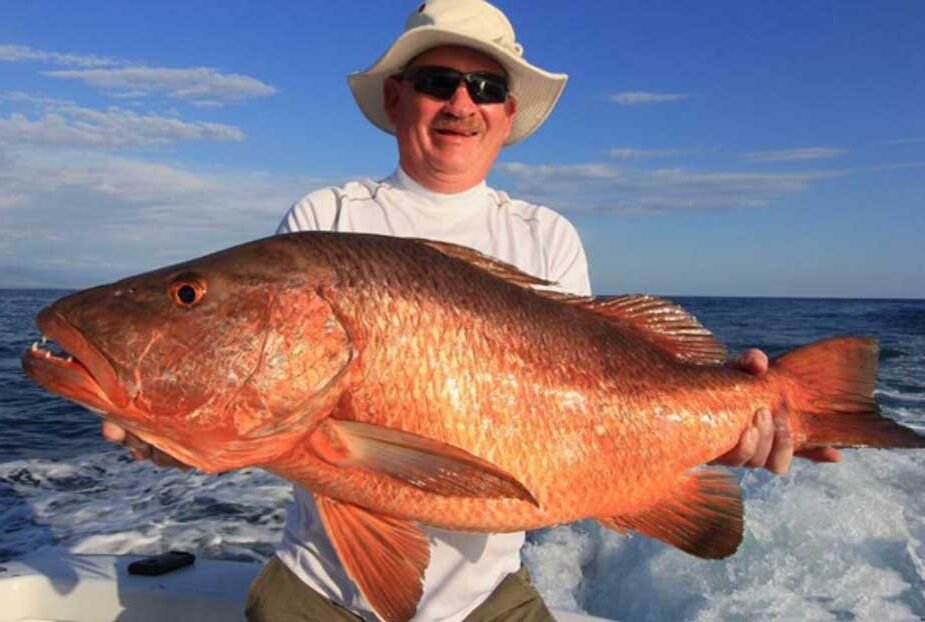
The Red Grouper is easily identified by its robust body, large mouth, and a color palette that ranges from a mottled reddish-brown to a vibrant pinkish-red. A key distinguishing feature is the presence of pale spots on its sides, which often form irregular blotches.
Unlike some of its relatives, the Red Grouper possesses a straight-edged tail fin. They can grow to impressive sizes, with adults commonly reaching lengths of over 30 inches and weights exceeding 20 pounds, though smaller individuals are more frequently encountered by fishermen.
Habitat and Distribution: The Rocky Bottom Dweller
The distribution of the Red Grouper spans from the coast of Massachusetts down to Brazil, but its primary stronghold is the Gulf of Mexico and the waters off the coast of Florida. They are true rocky bottom dwellers, preferring hard, uneven substrates.
Juveniles begin their lives in shallower, protected seagrass beds, but as they mature, they migrate to deeper offshore waters. Adults are typically found at depths ranging from 16 to over 300 feet, often inhabiting rocky ledges, sinkholes, and artificial reefs where they can find shelter and ambush prey.
Life in the Reef: Diet, Behavior, and Reproduction
As a top-tier predator in its environment, the Red Grouper’s diet is varied and opportunistic. They are known for their “lie-in-wait” hunting strategy, using the cover of the reef structure to surprise their prey.
Their behavior is intrinsically linked to the reef, where they maintain territories and often excavate burrows beneath rocks. This burrowing behavior is not just for shelter; it is a critical part of their survival mechanism against larger predators.
The Reef’s Top Predator: Feeding Habits
The Red Grouper’s menu is extensive, consisting mainly of smaller fish, crustaceans, and cephalopods. Common prey items include xanthid and portunid crabs, snapping shrimp, and juvenile spiny lobsters.
They are equipped with powerful jaws and teeth designed to crush the shells of their hard-bodied prey. This diverse diet ensures they remain a dominant force in the reef community, controlling populations of various smaller organisms.
A Unique Life Cycle: Sequential Hermaphroditism
One of the most fascinating aspects of the Red Grouper’s biology is its reproductive strategy: sequential hermaphroditism. This means that all Red Groupers are born female.
As they age and grow larger, a portion of the female population will undergo a sex change, transitioning into males. This ensures that the largest, most dominant individuals are males, a biological mechanism thought to optimize reproductive success for the species.
The Commercial and Recreational Fishery
The Red Grouper is highly valued for both commercial and recreational fishing, making it a cornerstone of the Gulf Coast’s seafood industry and fishing culture. Its popularity stems from its fighting spirit and its superior quality as table fare.
The fishery is a significant economic driver, supporting countless jobs from boat captains and deckhands to seafood processors and restaurant owners. Managing this resource is a constant balancing act between economic demand and ecological sustainability.
A Prized Catch: Fishing Techniques and Seasons
Recreational anglers target the Red Grouper using a variety of methods, primarily bottom fishing with natural baits like squid or cut fish, or with artificial jigs. Their strong pull and tendency to “rock up” (retreat into the reef) make them a challenging and rewarding catch.
Commercially, they are harvested primarily using hook-and-line gear, such as vertical lines and longlines, which are generally considered more selective and less damaging to the habitat than trawling. Catches are typically highest during the summer and fall months.
Economic Importance in the Gulf of Mexico
In the Gulf of Mexico, the Red Grouper is consistently one of the top-landed species. Its reliable presence and high market value contribute substantially to the regional economy. The demand for this fish often outstrips supply, driving up its price and underscoring its status as a prized catch.
Conservation and Sustainability Challenges
Due to its popularity and the pressures of fishing, the Red Grouper population requires careful management to ensure its long-term viability. Conservation efforts are focused on maintaining a healthy stock size and protecting the critical habitats where they live and reproduce.
The slow growth rate and unique reproductive cycle of the grouper make it particularly vulnerable to overfishing. This necessitates strict regulations to protect the species across its life stages.
Stock Status and Management Efforts
Fisheries management agencies, such as NOAA Fisheries, monitor the Red Grouper stock closely. Regulations often include minimum size limits, which allow fish to reproduce at least once before being harvested, and seasonal closures to protect spawning aggregations.
The implementation of individual fishing quotas (IFQs) in the commercial sector has also been a successful strategy, helping to stabilize the fishery and reduce the intense “derby” fishing that once characterized the industry.
The Role of Responsible Fishing Practices
The future of the Red Grouper depends heavily on responsible fishing practices by both commercial and recreational sectors. Anglers are encouraged to use best practices, such as descending devices for released fish, to minimize mortality.
These collective efforts, combined with ongoing scientific research, are essential to ensure that this majestic fish remains a sustainable and abundant resource for generations to come.
From Ocean to Plate: Culinary Appeal of Red Grouper
Beyond its ecological and economic importance, the Red Grouper is celebrated in kitchens around the world for its exceptional quality as a food fish. Its mild flavor and firm texture make it incredibly versatile.
It is often considered superior to other grouper species, with many chefs and diners preferring its subtle sweetness. This culinary appeal is the final piece of the puzzle that makes the Red Grouper such a valuable marine resource.
Flavor Profile and Texture: Why Chefs Love It
The flesh of the Red Grouper is white, lean, and flaky when cooked, yet it maintains a firm, moist texture that holds up well to various cooking methods. Its flavor is mild and slightly sweet, avoiding the strong, “fishy” taste that can deter some diners.
This delicate flavor profile allows it to pair beautifully with a wide range of seasonings, from simple lemon and butter to complex Caribbean or Asian-inspired sauces.
Simple and Delicious: Best Cooking Methods
Its firm texture makes the Red Grouper an ideal candidate for grilling, broiling, and pan-searing, as it resists flaking apart. A simple preparation, such as pan-searing the fillets with a light dusting of seasoning, often highlights its natural flavor best.
It is also a popular choice for fish tacos, chowders, and ceviche. Whether served in a fine dining establishment or a casual seaside cafe, the Red Grouper consistently delivers a high-quality, simple and delicious dining experience.